Creating a home you love doesn’t have to feel overwhelming. Even if you’re starting fresh, refreshing a single room, or trying to define your personal style, following a few foundational interior design rules can make everything come together so much more smoothly. These are the guidelines professional designers rely on to create cohesive spaces with flow, personality, and long-term function.
Below are five essential interior design principles Shelby uses in her own projects. Each rule is simple, actionable, and perfect for anyone looking to elevate their home interior design style.
1. Start With a Clear Color Palette
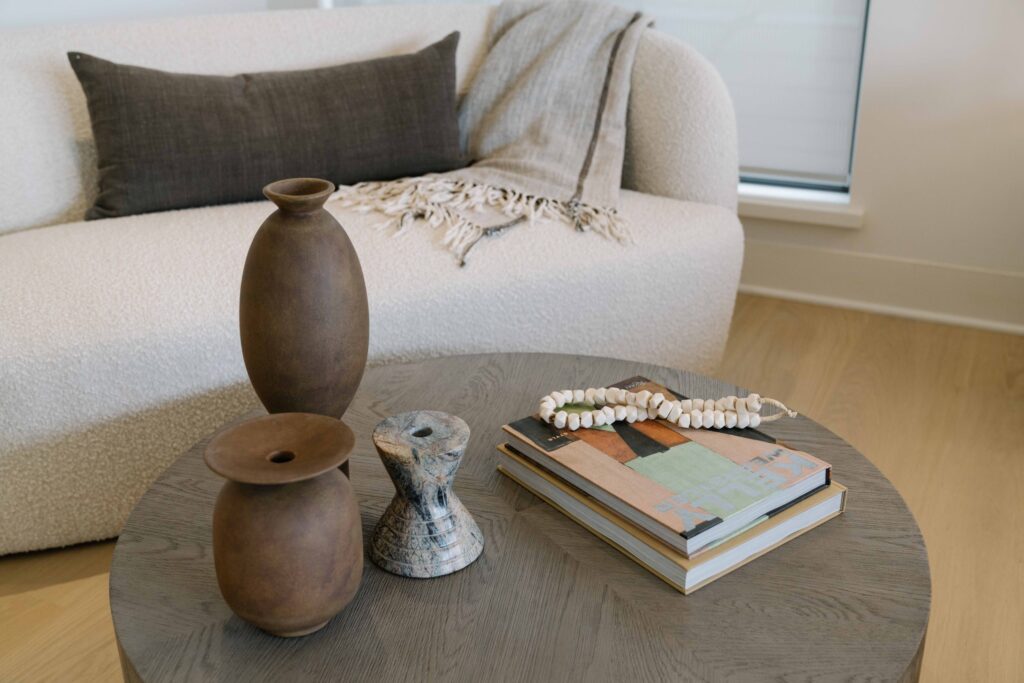
One of the most common mistakes people make is choosing furniture and decor before deciding on a color palette. A thoughtful palette helps every room feel intentional and connected.
Here’s how to choose one:
- Pick one main color for the room (walls or large pieces)
- Add two supporting colors that complement it
- Bring in a mix of warm and cool tones for balance
- Stick to similar undertones throughout the home
This principle works beautifully whether you’re designing a minimalist living room, a cozy modern bedroom, or a fresh, airy kitchen. Once you have your palette, everything from paint colors to throw pillows becomes easier to choose.
The color palette I’m currently loving:
paint swatches, area rugs, bedding, accent chairs.
2. Mix Materials and Textures for Depth
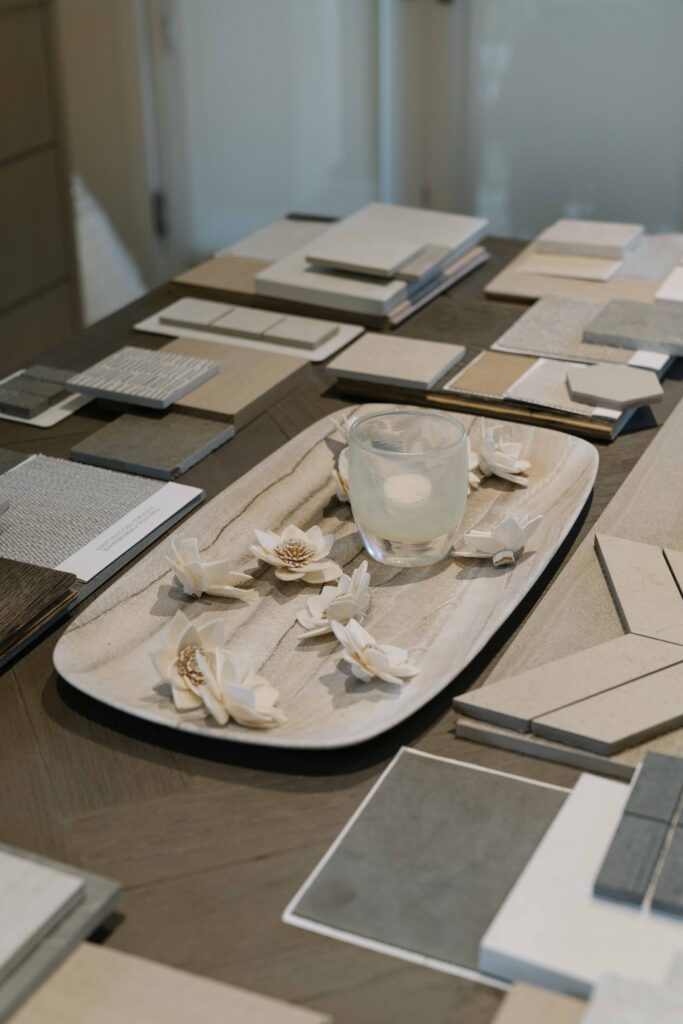
A room can look flat if everything is the same texture or finish. Layering materials is one of the easiest ways to make a space feel professionally designed.
Try mixing:
- Natural wood with matte metals
- Linen or cotton with woven textures
- Stone or ceramic with soft upholstery
This approach creates visual interest without cluttering the space. It works especially well in entryway decor, living room styling, and any bedroom aesthetic that needs warmth and character.
throw blankets, lighting fixtures, vases, woven baskets, marble trays.
3. Prioritize Scale and Proportion
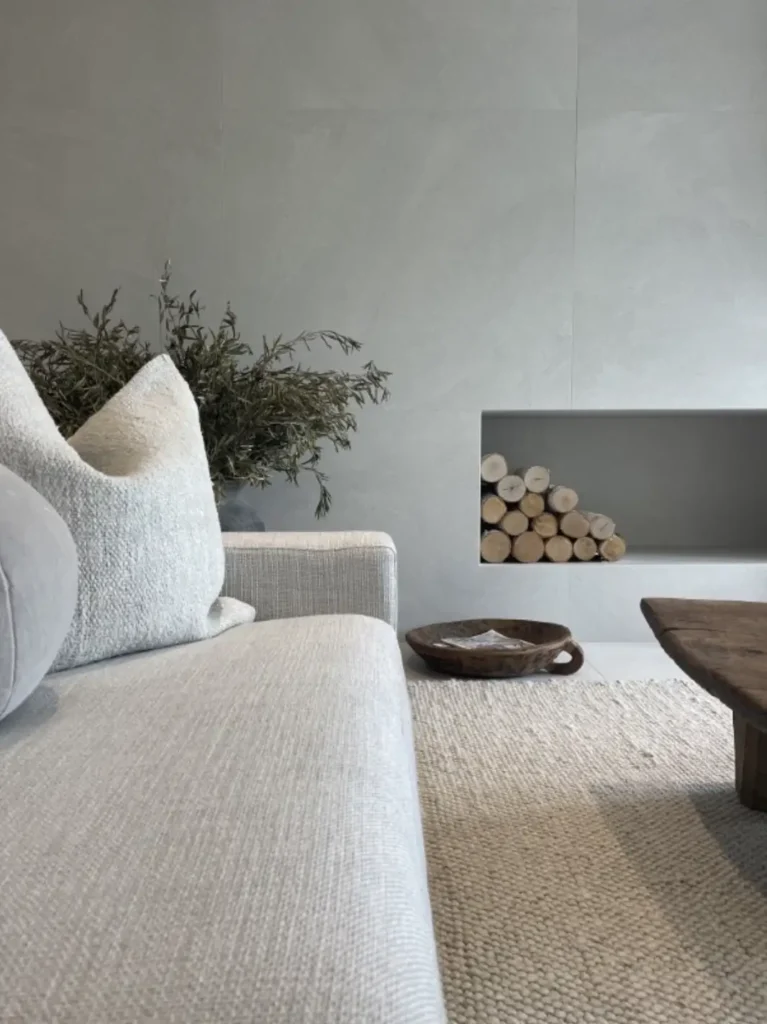
Scale might be the most misunderstood part of home interior design, but it has a huge impact on how a room feels.
Think about:
- Choosing furniture that fits the size of the room (no oversized sofas in small spaces)
- Using rugs large enough to ground the area
- Hanging art at the right height
- Making sure lighting fills the space instead of getting lost in it
Good scale is what makes a minimalist living room feel intentional rather than empty and a styled entryway feel inviting rather than crowded.
sofas, dining tables, floor lamps, area rugs.
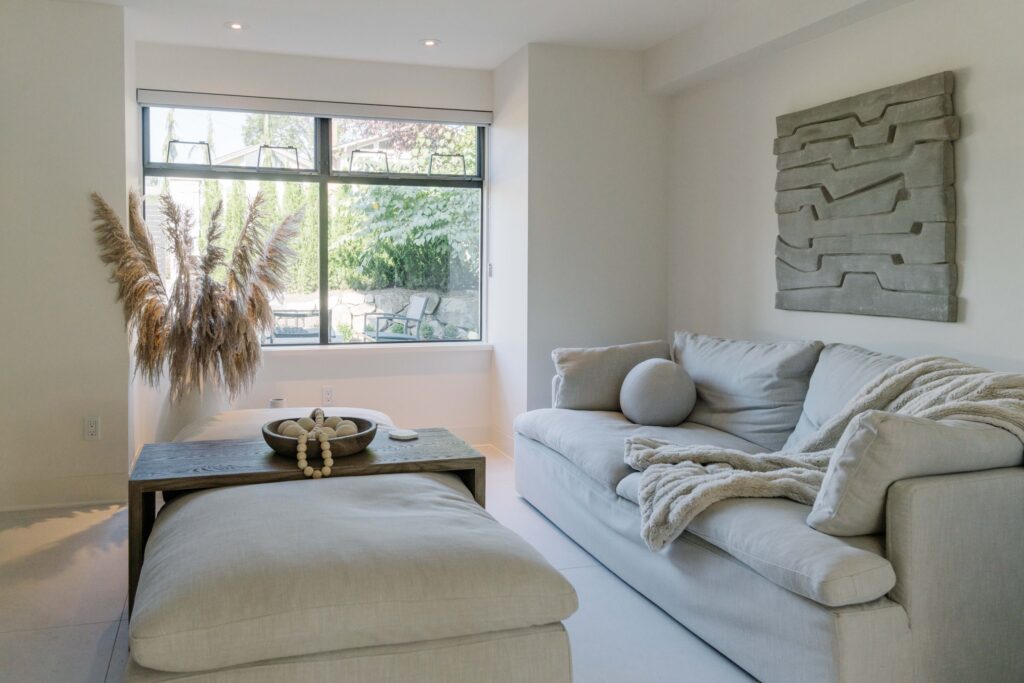
4. Create a Focal Point in Every Room
Every space needs something that draws the eye in. This keeps a room from feeling directionless and helps you build the design around a central idea.
Examples of strong focal points:
- A statement entryway table with layered decor
- A stunning piece of artwork above the sofa
- A beautiful pendant light in the kitchen
- A tall headboard or textured wall in the bedroom
Once the focal point is set, everything else becomes supporting detail.
mirrors, artwork, pendant lighting, decorative bowls, table lamps.
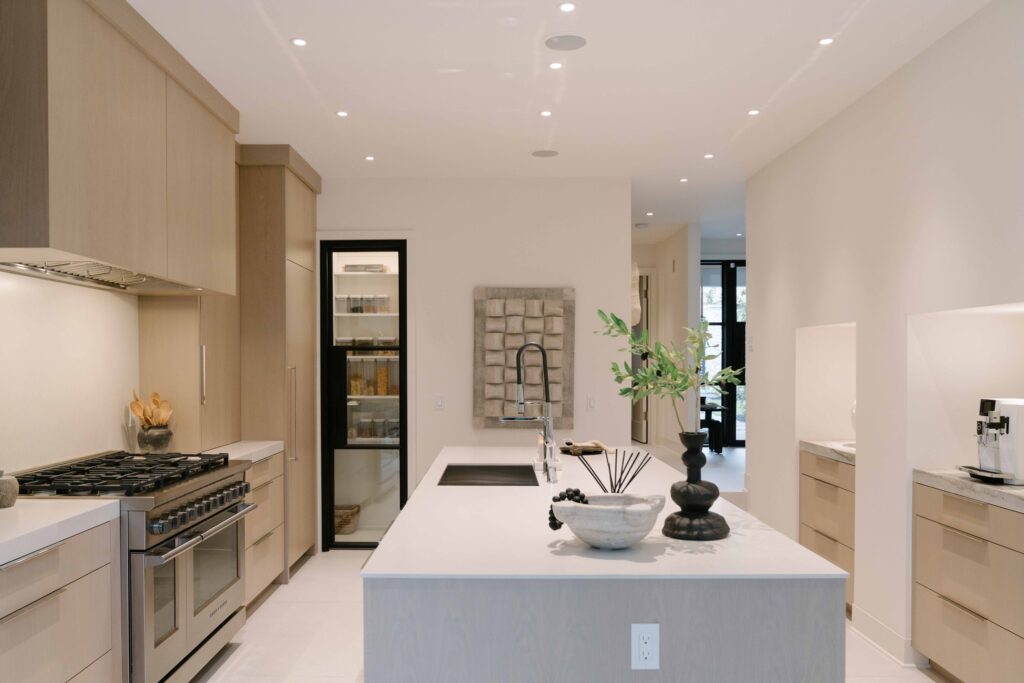
5. Balance Function and Beauty
A home should look good, but it also needs to work for the people living in it. Shelby always blends form and function so her clients get the best of both worlds.
Ways to do this:
- Use beautiful storage in the entryway to keep clutter out of sight
- Choose furniture that’s comfortable and durable
- Add lighting at different levels for warmth and flexibility
- Style surfaces with intentional pieces instead of filling them
Whether it’s a front door entryway that needs to handle everyday essentials or a kitchen design inspo project that has to hold up to real cooking, this balance is what keeps a home livable and stylish.
storage benches, hooks, baskets, lamp sets, rugs.

Following these five interior design rules is a simple way to create spaces that feel calm, cohesive, and beautifully curated. They apply to every room, whether you’re refreshing a minimalist living room, choosing entryway table decor, or looking for kitchen design inspo that will stay timeless for years.
Did I miss anything? Let me know!