Modern interior design often gets mistaken for cold, stark, or unfinished, especially in new construction homes where everything already feels blank and “too new.” The truth is, modern design can be incredibly warm, layered, and livable when it’s done with intention.
If you’re working with a new build or a recently finished home and wondering how to make it feel elevated without starting over, these modern interior design ideas will help you create a space that feels thoughtful, cohesive, and timeless.
Start with a Soft, Neutral Foundation
One of the biggest mistakes in new construction interior design is assuming the builder’s choices are enough. White walls, light floors, and simple trim are a great starting point… but they need depth to feel finished.
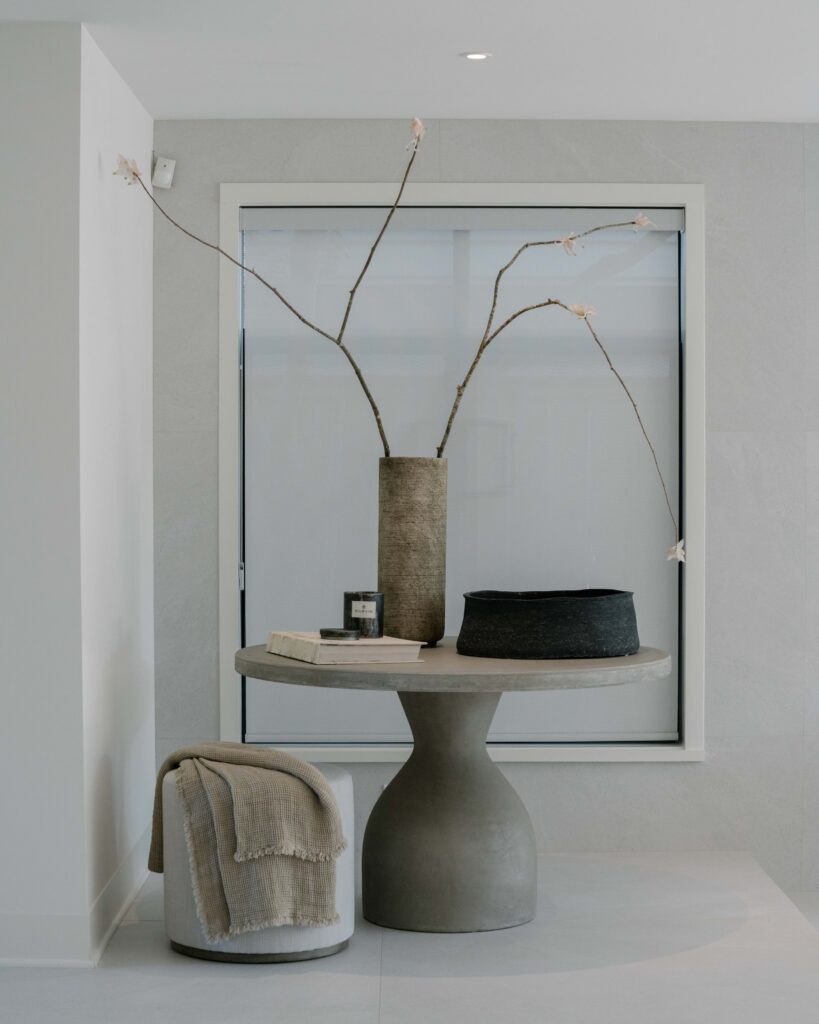
Instead of thinking “all white,” think warm neutrals with contrast. Creamy whites, soft taupes, light oak, and muted stone tones add dimension without overwhelming the space. This foundation makes it easier to layer in modern furniture, textures, and accent pieces later.
This is also where a well-chosen rug, curtain panels, or upholstered seating can do a lot of heavy lifting. A textured area rug or linen drapery instantly softens hard surfaces and adds that lived-in feel modern homes often lack.
Use Contrast to Avoid the “Builder Grade” Look
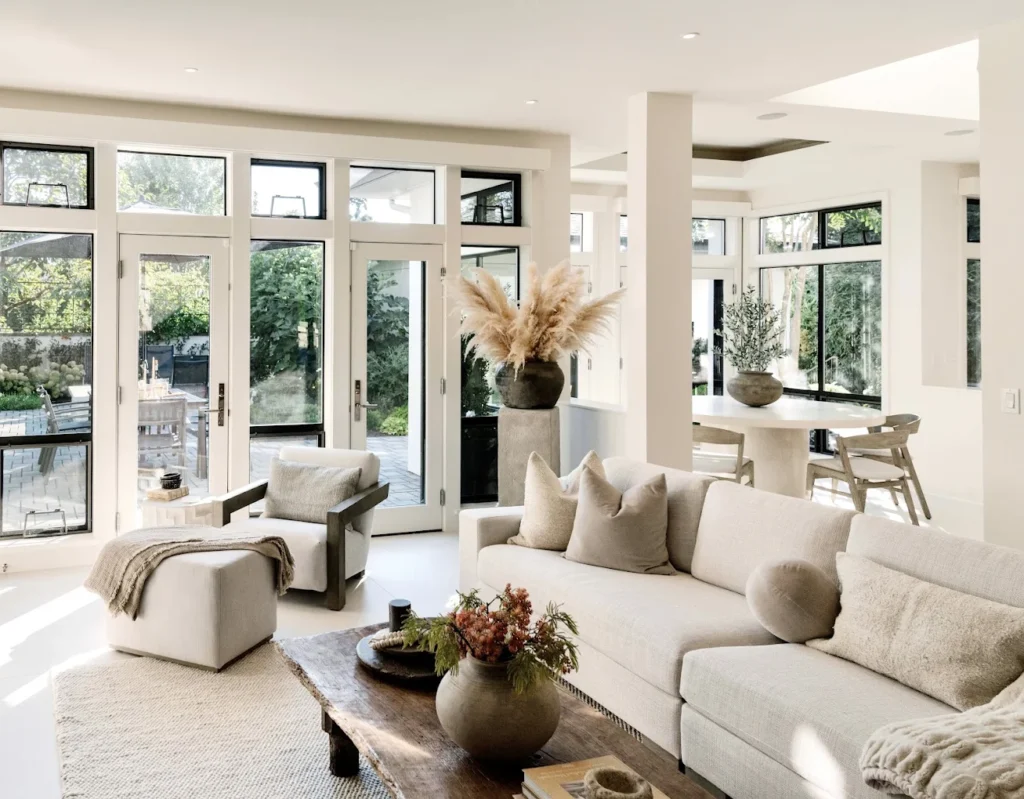
Modern interior design ideas really come to life through contrast. In new construction, everything tends to match, which can feel flat.
Contrast doesn’t have to mean bold colors. It can be as simple as:
- Light walls paired with darker wood furniture
- Matte black or aged brass hardware against soft cabinetry
- Sleek silhouettes mixed with organic materials
For example, a minimalist dining table paired with sculptural chairs or a statement light fixture can instantly elevate a basic dining room. Lighting, in particular, is one of the easiest upgrades in modern interior design for new construction too!
Layer Lighting Early (Not as an Afterthought)
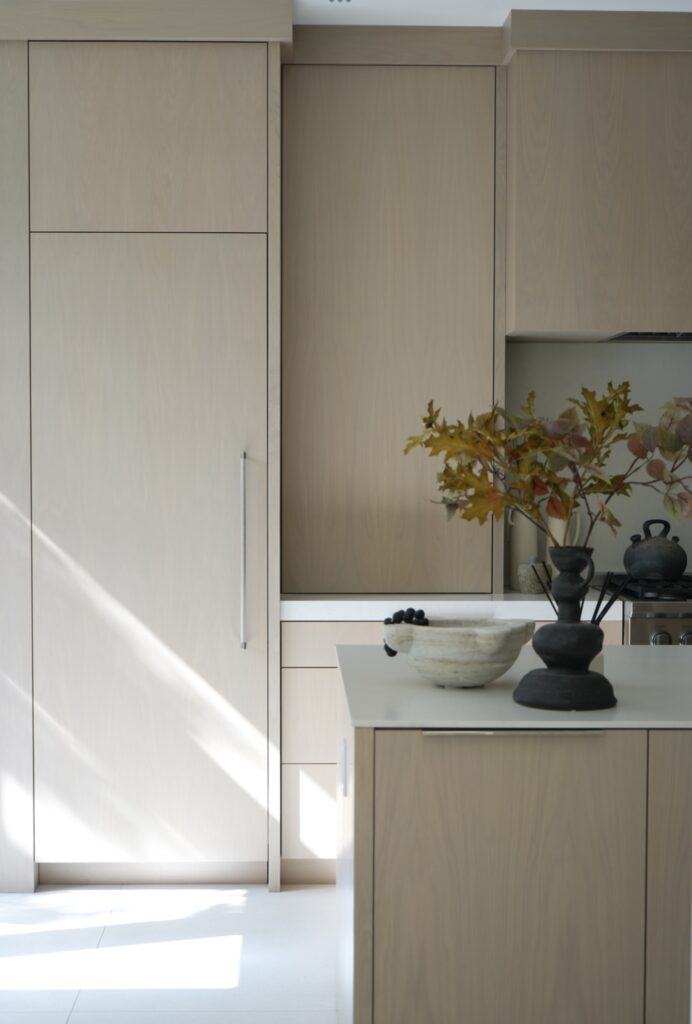
If there’s one thing modern homes often get wrong, it’s lighting. Overhead recessed lights alone will never create the atmosphere you want.
Great lighting is one of the most transformative elements in a home, yet it’s often treated as an afterthought. Layered lighting simply means using multiple light sources at different heights to create depth, warmth, and function. Instead of relying solely on overhead fixtures, think in terms of ambient lighting (like recessed lights or flush mounts), task lighting (table lamps, sconces, under-cabinet lighting), and accent lighting (picture lights or decorative lamps). This combination makes a space feel more intentional and lived-in, while also allowing you to adjust the mood throughout the day. In modern interiors, lighting isn’t just practical…it’s part of the design story!
A strong modern interior design plan uses layers of light:
- Ambient lighting (overhead or flush mounts)
- Task lighting (table lamps, floor lamps, sconces)
- Accent lighting (picture lights, under-cabinet lighting)
Adding lamps to living rooms, bedrooms, and even kitchens instantly makes a space feel warmer and more intentional.
My Lighting Picks:
Choose Furniture with Clean Lines — Then Soften It
Modern interior design furniture typically has clean lines, simple silhouettes, and minimal ornamentation. That doesn’t mean it has to feel uncomfortable or stiff.
The key is balance. Pair structured furniture with softer elements:
- A streamlined sofa layered with textured pillows
- A modern bed frame paired with relaxed bedding
- A simple coffee table styled with organic decor
This approach works especially well in new construction interior design, where rooms are often larger and more open. Clean-lined furniture keeps the space feeling airy, while soft textures keep it approachable.
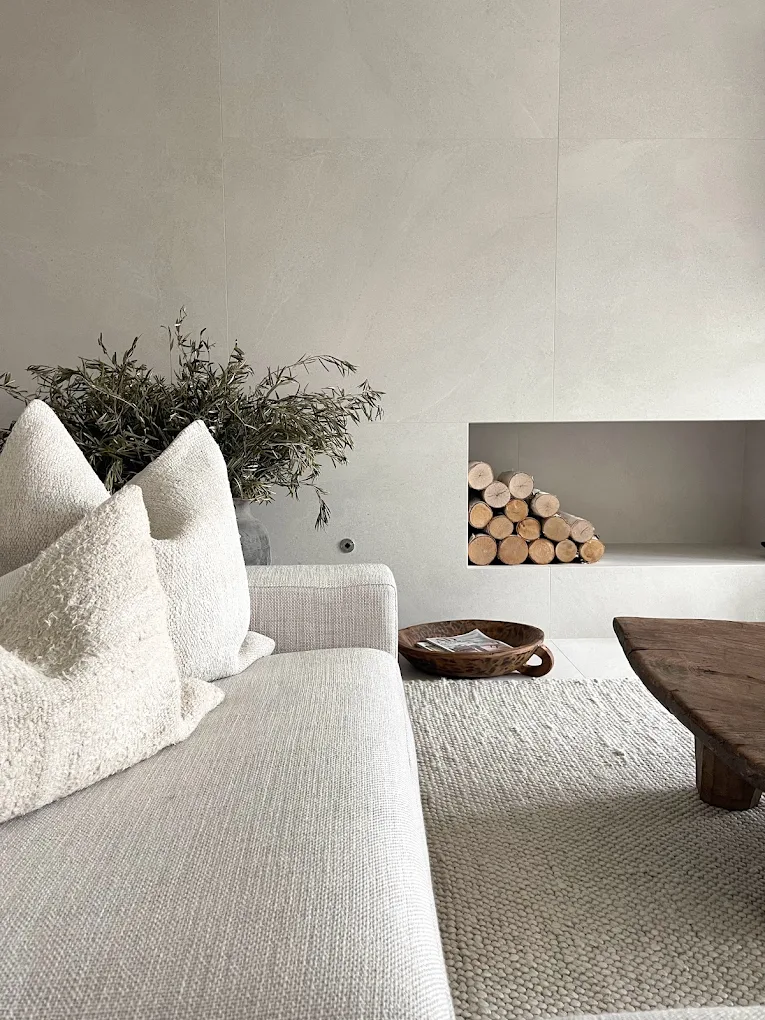
Add Architectural Interest Where You Can
New construction homes often start as a beautiful blank slate, but they can sometimes feel flat or lacking in character. Architectural details are what give a home depth and a sense of permanence.
Simple upgrades like ceiling beams, custom trim, wall paneling, arched doorways, or even a thoughtfully designed fireplace surround can completely change the feel of a space. These elements don’t have to be ornate to feel luxurious, clean lines and subtle contrast often have the biggest impact. Adding architectural interest early on creates a foundation that makes the rest of your design choices feel elevated and cohesive.
Modern interior design ideas that work well here include subtle upgrades like:
- Vertical wood slats or paneling
- Limewashed or textured accent walls
- Simple ceiling treatments or beams
- Oversized trim or custom built-ins
Even small changes, like swapping standard interior doors for modern paneled or oversized styles can dramatically impact the overall feel of the home.
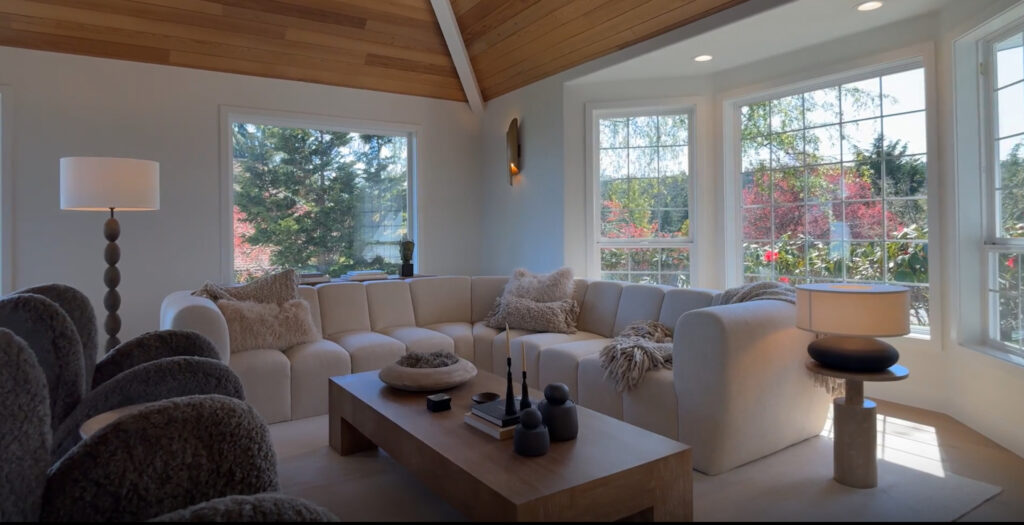
Keep Decor Intentional, Not Overdone
Modern design thrives on restraint. Instead of filling every surface, focus on fewer, more meaningful pieces.
Large-scale artwork, sculptural vases, and curated books tend to work better than lots of small decor items.
When styling shelves or surfaces, leave negative space. This is especially important in modern interior design for new construction, where visual breathing room helps the home feel calm and elevated.
Minimalist decor doesn’t mean empty, cold, or unfinished. When done well, it feels calm, intentional, and deeply inviting. The key is focusing on quality over quantity and allowing each piece to breathe. Neutral color palettes, natural materials, and thoughtful texture go a long way in creating warmth without visual clutter. Instead of filling shelves and surfaces, choose a few sculptural or meaningful objects that add interest while maintaining simplicity. In modern interior design, minimalism is less about having less and more about being intentional with what you choose to live with every day.

Make It Personal (This Is What Prevents It from Feeling Cold)
The most successful modern interiors are the ones that feel personal. That might look like:
- Vintage pieces mixed with modern furniture
- Art that tells a story
- Handmade or collected items layered into the space
Modern interior design doesn’t mean starting from scratch or following strict rules. Especially in new construction homes, it’s about adding warmth, contrast, and intention to an already clean slate.
When you focus on foundational pieces, layered lighting, and a balance of structure and softness, modern design becomes approachable, and livable.
Want more designer tips? Follow me on Instagram!